Mould In Your Air Conditioner: Causes, Health Risks & When To Get It Professionally Cleaned
If your air conditioner smells musty when it kicks on, or you've spotted black or greenish spots around the vents, there's a good chance mould has taken hold inside the unit. In Brisbane's humid climate, this is one of the most common issues affecting home air conditioning systems, and it's rarely something a quick wipe-down can fix
Why Mould Builds Up in Brisbane Air Conditioners
Air conditioners are built to remove moisture from the air, which means the internal components, particularly the evaporator coil and drain tray, stay damp for long periods during use. In Brisbane's humid subtropical climate, that moisture doesn't dry out between cycles the way it might in a drier climate, creating a near-constant damp environment inside the unit.
Add in dust, skin cells, and airborne debris that get pulled through the filter, and the unit has everything mould needs to grow: moisture, organic material, and a dark, enclosed space. Homes that run their air conditioning heavily through summer, or units that aren't cleaned regularly, are especially prone to it. Older systems with reduced airflow are also more susceptible, since stagnant air gives mould more opportunity to establish itself on the coil and inside the ductwork.
It's also worth noting that mould doesn't need long to establish itself once conditions are right. A unit that's run continuously through a humid Brisbane summer without a clean can develop noticeable mould growth in a matter of weeks, particularly if the filter hasn't been checked or the drain line has any partial blockage slowing water away from the unit.
What Mould in an Air Conditioner Looks and Smells Like
The most obvious sign is a musty, damp smell when the unit is switched on, often described as similar to a wet towel left in a cupboard. This smell usually gets stronger the longer the system runs, as air moves across the affected surfaces inside the unit, and it can sometimes be mistaken for a general "stale air" smell rather than something linked directly to mould.
Visually, mould can appear as black, grey or greenish spots or streaks around the vents, on the filter, or along visible parts of the indoor unit. In some cases, it's visible on the filter itself when it's removed for cleaning, appearing as dark speckling or a fuzzy coating across the mesh. Not all mould is visible from the outside, though, since a significant amount can be growing on the coil or inside the drain tray, out of sight, meaning the smell can be strong even when nothing looks obviously wrong.
The Health Risks of Mould and Bacteria in Your Air Conditioner
An air conditioner with mould growth doesn't just smell unpleasant, it actively distributes mould spores and bacteria through the air every time it runs. For most people this might cause mild irritation, but for households with young children, pets, or anyone with asthma or allergies, the effects can be more noticeable.
Common symptoms linked to mould exposure from air conditioning include a stuffy or runny nose, sneezing, throat irritation, coughing, and worsened asthma symptoms. Because the exposure is constant and often unnoticed, symptoms can build gradually and get mistaken for seasonal allergies or a lingering cold, rather than being traced back to the air conditioner itself.
This is particularly relevant in bedrooms, where the air conditioner often runs overnight for extended periods. Ongoing exposure while sleeping can mean symptoms are worse first thing in the morning, easing off during the day once the household is up and moving through better-ventilated parts of the home. For anyone in the household with existing respiratory sensitivities, this pattern is often one of the clearer signs that the air conditioner, rather than general dust or pollen, is the source.
Why Wiping Down the Unit Isn't Enough
It's a common instinct to grab a cloth and wipe down the visible parts of the unit, or spray a bit of disinfectant near the vents, and assume the problem is solved. Unfortunately, this only addresses what's visible on the surface. The coil, drain tray and internal ductwork, where the bulk of mould growth actually occurs, are completely inaccessible without proper tools and disassembly.
Surface cleaning can also give a false sense of security. The musty smell might reduce temporarily, but if the coil and drain line haven't been treated, the mould regrows quickly once the unit is back in regular use. In many cases, the smell returns within days, since the surface wipe hasn't touched the source of the problem sitting deeper in the unit.
We've cleaned plenty of mould-affected systems doing air conditioning cleaning in Wavell Heights, especially in older homes with less airflow, where previous DIY cleaning attempts had only masked the smell rather than resolving it. In several of these cases, homeowners had been wiping down vents and filters for months without realising the coil itself was the main source of the odour.
What a Professional Air Conditioning Clean Actually Involves
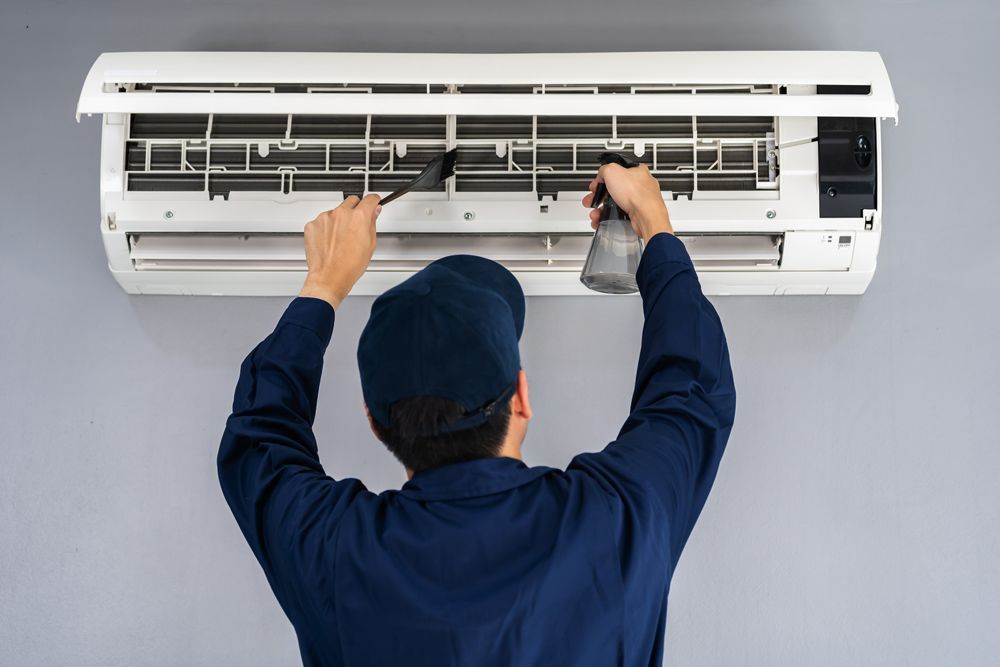
A proper professional clean goes well beyond the filter and visible casing. It typically includes:
- Coil cleaning: the evaporator coil is cleaned with appropriate equipment to remove mould, dust and grime buildup that accumulates in the damp environment where the coil operates.
- Filter cleaning or replacement: filters are removed, cleaned thoroughly or replaced if too far gone, since a clogged or contaminated filter continues to circulate spores even after the rest of the unit is cleaned.
- Drain line sanitising: the drain tray and line are cleaned and sanitised to remove built-up organic matter, which is often where the musty smell originates from.
Each of these steps addresses a different part of the system, which is why a proper clean tends to resolve the smell and health symptoms in a way that surface wiping never does. Cleaning the coil without also sanitising the drain line, for example, often leaves a lingering smell, since organic buildup in the drain continues to circulate through the airflow.
Mould often shows up alongside drainage issues. If you've also noticed dripping, read why your air con might be leaking water for the likely cause.
What You Can Safely Check Yourself
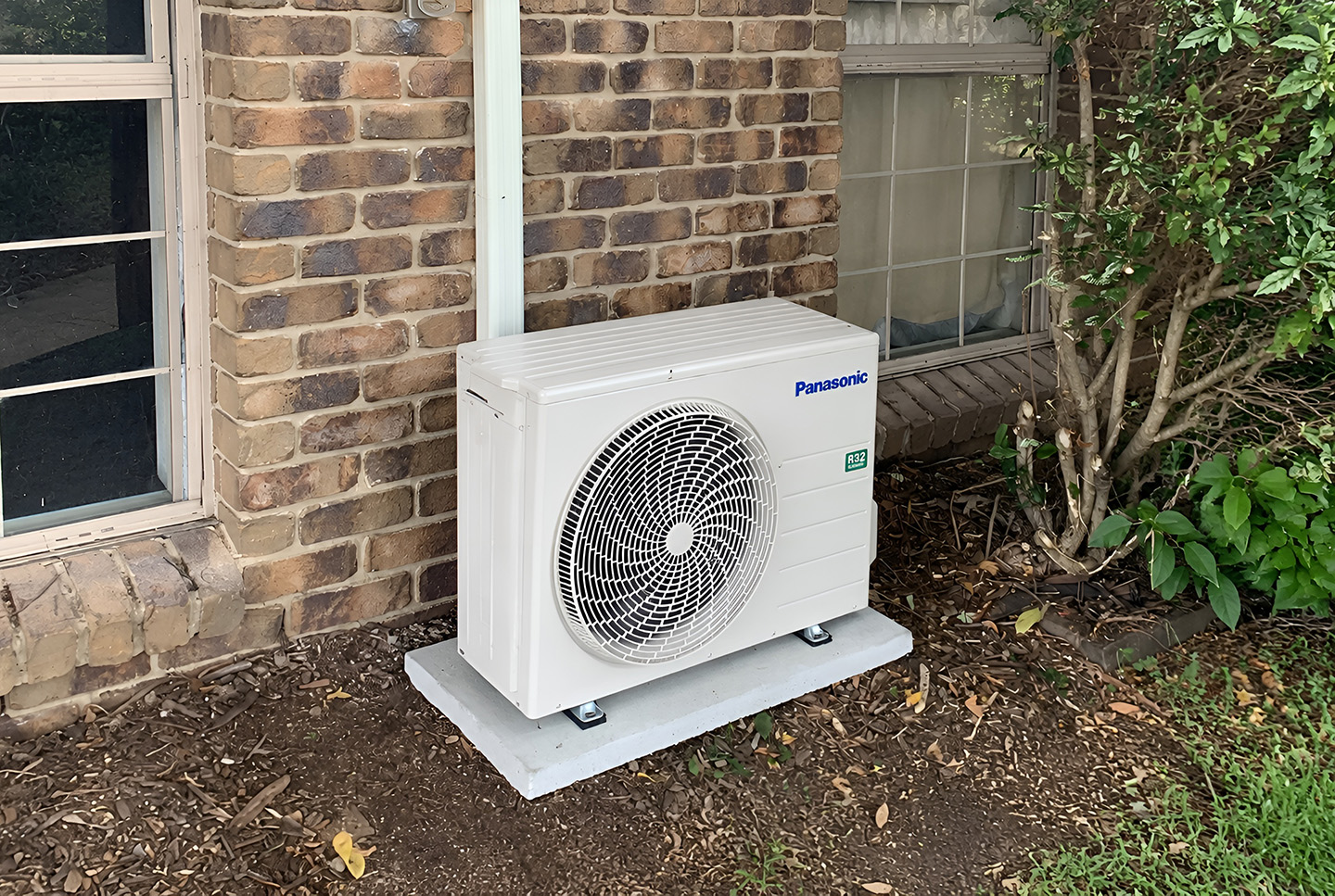
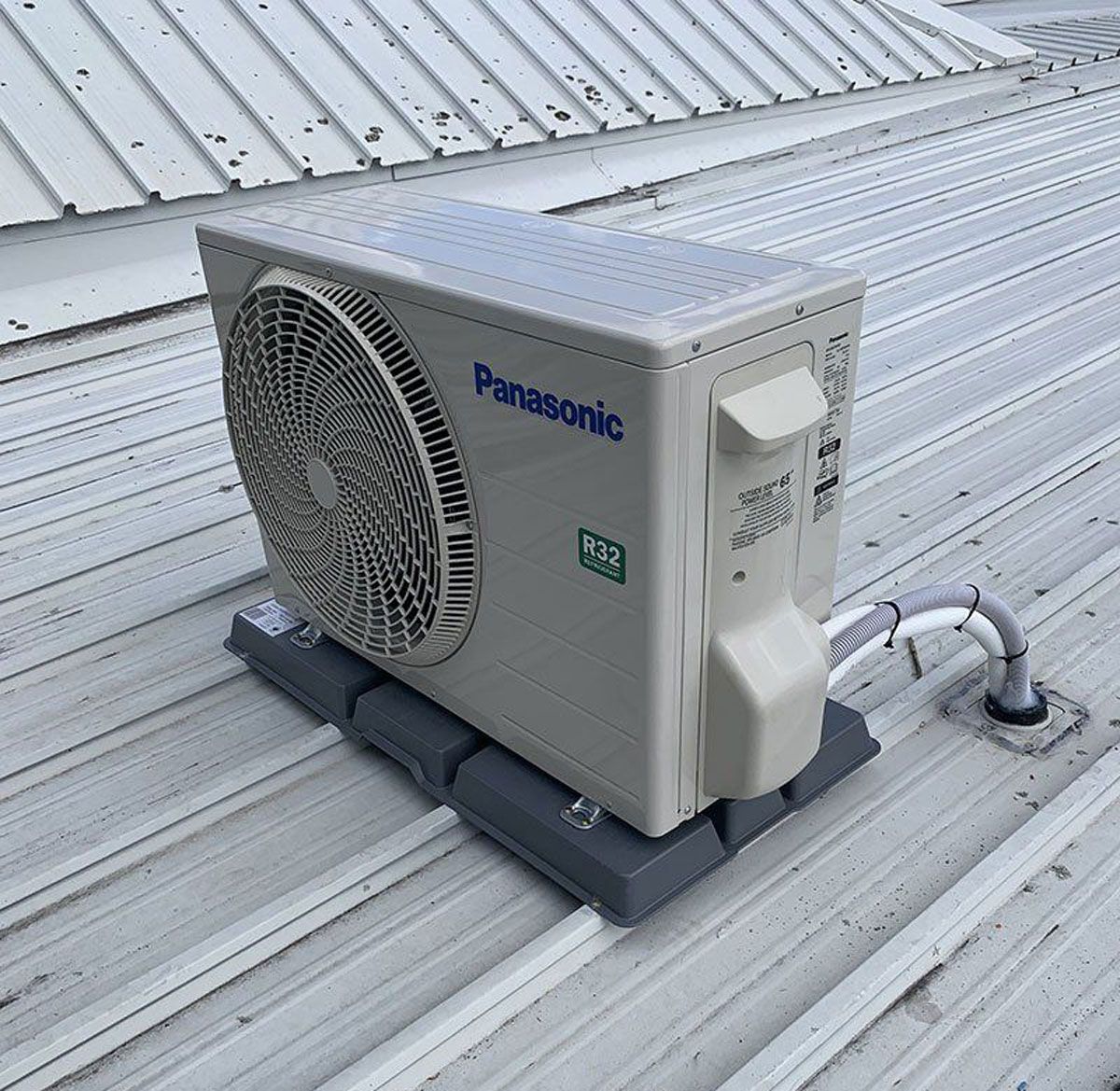
There are a few things homeowners can reasonably check without opening up the unit. Removing and inspecting the filter is usually straightforward, and a musty smell or visible dark spots on it are a fair indicator that mould is present. Checking that the outdoor unit has clear airflow around it, and that the indoor vents aren't blocked by furniture or curtains, is also worth doing.
It's also reasonable to keep an eye on how quickly a musty smell returns after a filter clean. If it comes back within a week or two, that's a fairly reliable sign the mould has spread beyond the filter and into the coil or drain line, and further DIY attempts are unlikely to solve it.
Beyond that, it's best to stop. Attempting to access the coil or drain line without proper training and equipment risks damaging the unit, and DIY mould sprays can leave residue on components not designed to handle certain chemicals, sometimes making the problem worse rather than better.
When to Book a Professional Clean
If you can smell mould when the unit runs, see visible spots on the filter or vents, or notice ongoing allergy-type symptoms that ease up when you're away from home, it's a strong sign the system needs more than a surface wipe. The longer it's left, the more the mould can spread through the coil and ductwork, making it harder and more costly to fully remove.
This is especially worth acting on quickly in households with young children, pets, or anyone managing asthma or allergies, since they're likely to feel the effects of poor air quality sooner and more noticeably than others in the home.
If you can see or smell mould, don't wait for it to spread. Book a Brisbane air conditioning cleaning service and we'll sort it properly. Not sure if what you're seeing is mould or just dust? Get in touch and we'll help you work it out over the phone.