How Dirty Air Conditioners Affect Indoor Air Quality & Your Health
When you switch on your air conditioner, you expect clean, cool air flowing through your space. If your system hasn’t been cleaned properly, it can circulate dust, mould and bacteria instead. Over time, this hidden buildup can seriously affect indoor air quality and your health, even if the system still appears to cool the room effectively.
In warm, humid climates like Brisbane, air conditioners work harder and stay damp for longer. That combination creates ideal conditions for airborne contaminants to grow and spread. Keeping systems properly maintained supports healthier indoor air, which makes air conditioning cleaning in Brisbane particularly important in humid conditions.
What Builds Up Inside a Dirty Air Conditioner
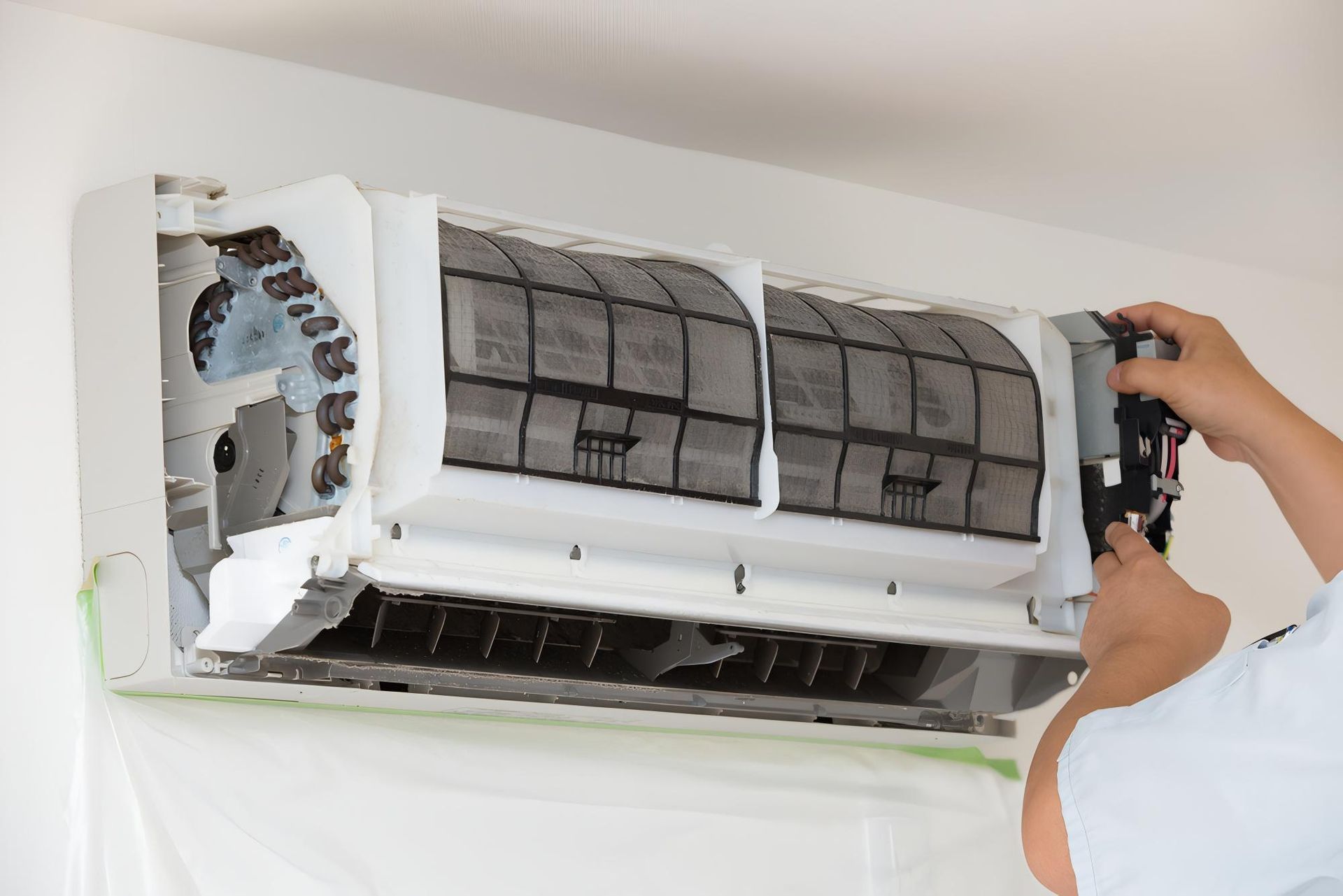
Every time your air conditioner runs, it pulls air through filters and internal components. While filters catch some particles, many contaminants settle deeper inside the system where they remain out of sight.
Common buildup includes:
- Dust and dirt particles
- Mould spores
- Bacteria and microbes
- Pet dander and pollen
- Moisture trapped in coils and drain trays
Humidity accelerates mould growth, especially inside evaporator coils and drip trays where condensation collects. Once mould establishes itself, the system can spread spores throughout your space every time it runs.
How Dirty Air Affects Indoor Air Quality
Indoor air quality plays a major role in daily comfort and long-term health. Air conditioners recirculate the same air, which means contaminants don’t stay trapped inside the unit. They move through vents and into every room, gradually building up over time.
A dirty system can:
- Continuously circulate pollutants
- Increase airborne allergens
- Create musty or stale odours
- Reduce overall air freshness
- Worsen respiratory discomfort
A clean air conditioner helps limit the spread of these contaminants, supporting fresher air and a more comfortable indoor environment.
Over time, poor air circulation can also make indoor spaces feel stuffy and uncomfortable, even when temperatures seem correct. Cleaner airflow improves overall comfort, reduces lingering odours and helps create a fresher living or working environment day to day.
Health Issues Linked to Unclean Air Conditioners
Breathing contaminated air over extended periods can lead to a range of health issues, particularly for children, older adults and anyone with asthma or allergies.
- Respiratory Irritation: Dust, mould and bacteria can irritate airways, leading to coughing, congestion and shortness of breath.
- Allergies & Asthma Flare-Ups: Airborne allergens from a dirty system can trigger sneezing, itchy eyes and asthma attacks.
- Headaches & Fatigue: Poor air quality reduces comfort and oxygen efficiency, which can contribute to headaches and ongoing tiredness.
These symptoms often worsen gradually. Many people only recognise the connection once they notice symptoms easing when they leave the building.
Why Homes & Businesses in Brisbane Face Higher Risk
Local climate conditions play a major role in how quickly air conditioners become contaminated. Warm temperatures combined with high humidity mean systems often run for long periods and retain internal moisture.
Key contributing factors include:
- Year-round air conditioner use
- High humidity encouraging mould growth
- Coastal air carrying fine particles
- Storm seasons increasing moisture levels
Without routine maintenance, these conditions increase the likelihood of internal contamination building up unnoticed.
Signs Your Air Conditioner Needs Cleaning
Many people only search for air conditioning cleaning near me once issues become noticeable. Recognising early warning signs helps prevent long-term air quality problems.
Common signs include:
- Musty or mouldy smells when the unit starts
- Dust blowing from vents
- Increased allergy symptoms indoors
- Reduced airflow or uneven cooling
- Excess condensation or water leaks
Addressing these issues early helps restore airflow and supports a cleaner indoor environment.
Why DIY Cleaning Often Falls Short
Basic tasks like rinsing filters help reduce visible dust, but they don’t remove mould and bacteria hiding deeper inside the system. These areas remain damp and inaccessible without professional tools.
DIY cleaning can also push contaminants further into the unit or leave problem areas untouched. The source of poor air quality often remains even if the system looks cleaner externally.
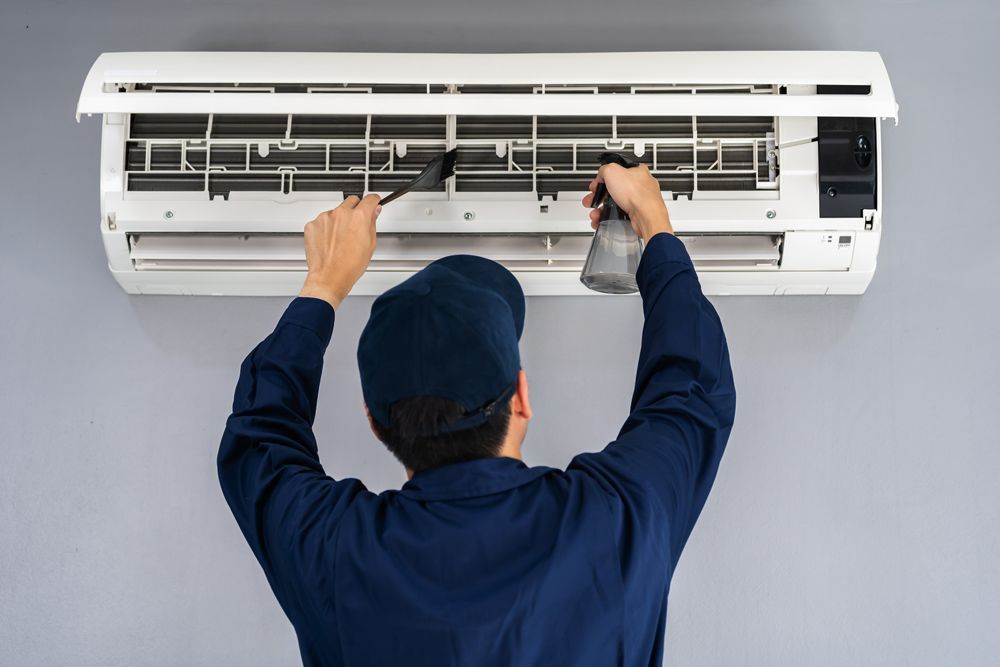
Professional cleaning targets:
- Evaporator coils
- Fan barrels
- Drain trays and lines
- Internal housing
- Filters and vents
This thorough approach helps achieve a genuinely clean system, not just one that looks clean on the surface.
How Dirty Systems Affect Cooling Performance
A contaminated air conditioner doesn’t only affect air quality. Dust and grime restrict airflow, forcing the system to work harder to maintain comfortable temperatures.
This can lead to:
- Longer run times
- Uneven cooling between rooms
- Reduced airflow from vents
- Increased strain on internal components
Over time, added strain shortens system lifespan and increases the likelihood of breakdowns during peak summer periods.
The Link Between Dirty Air Conditioners & Higher Energy Bills
Restricted airflow causes air conditioners to consume more energy to achieve the same cooling output. This often results in higher electricity bills, especially during prolonged heat.
A clean system operates more efficiently, cycles correctly and maintains stable indoor temperatures. Routine professional cleaning reduces energy waste and supports long-term performance.
Benefits of Professional Air Conditioning Cleaning
Routine professional cleaning delivers benefits beyond immediate comfort. It supports system efficiency while protecting the health of everyone inside the space.
Key benefits include:
- Cleaner, healthier indoor air
- Reduced allergens and bacteria
- Improved cooling performance
- Lower energy consumption
- Longer system lifespan
- Fresher smelling rooms
A professionally cleaned system creates a noticeably more comfortable indoor environment, particularly during humid months.
How Often Should You Clean Your Air Conditioner
For most homes and businesses in Brisbane, professional cleaning every 12 months works well. More frequent servicing may be needed if:
- The system runs daily
- Pets live indoors
- Anyone has allergies or asthma
- The property experiences high humidity
- Ventilation is limited
Routine servicing prevents buildup before it affects health or system performance.
Breathe Easier With Cleaner Air
Your air conditioner should support comfort, not compromise health. Dirty systems quietly reduce indoor air quality and increase the risk of respiratory issues, particularly in humid environments.
If you’re noticing odours, dust or allergy symptoms, now’s the time to act.
At Northside Air Conditioning Services, we provide thorough air conditioning cleaning in Brisbane to help homes and businesses maintain healthier indoor air and keep systems running efficiently.
Clean air starts with a clean system.